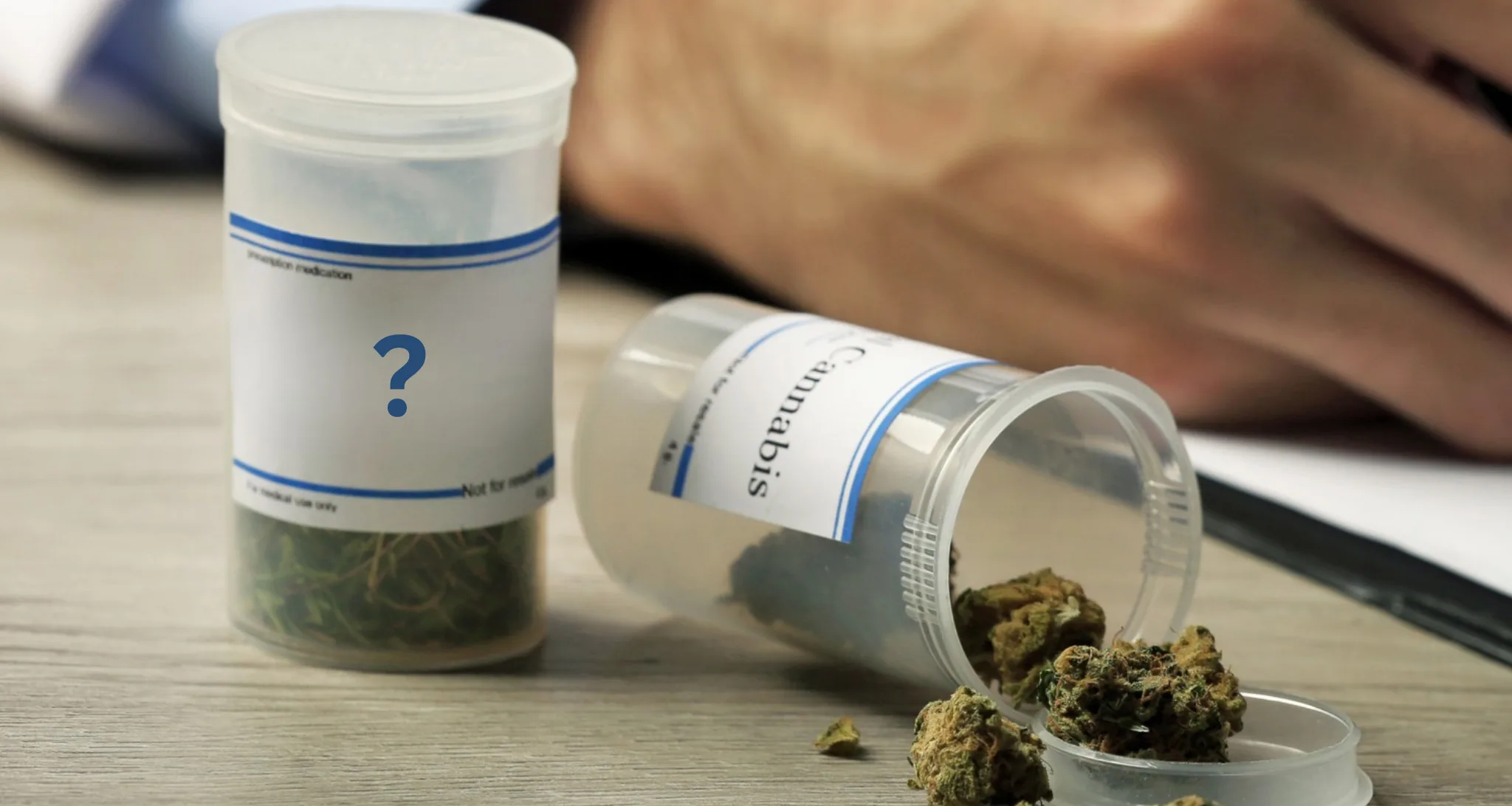


James Duckenfield, CEO of Glass Pharms®, dives into the responsibilities behind a medical cannabis brand and why pharmaceutical standards should matter more than marketing. From cultivation controls to the checks each batch undergoes, he explains what supports product quality and what patients should expect from the companies producing their medicine.

When we head down to the local chemist to pick up a prescription, most of us give little thought to how the medicine we are about to take was actually produced or handled. We have an inherent, somewhat ingrained expectation that the contents will match what is printed on the label, and that we will be able to receive a repeat that matches the quality and composition of the previous prescription.
As a medical cannabis producer, I know that meeting those expectations means putting pharmaceutical standards at the centre of production. The decisions made about cultivation, post-harvest handling and processing, and quality control may never be visible to patients, but they matter far more than any name or logo.
Why does branding carry greater responsibility in medical cannabis?
Cannabis, unlike almost all other prescribed medicines, carries a strong commercial identity outside of healthcare settings. There is no denying that overseas recreational markets have impacted how medical cannabis is presented and perceived in the UK. Familiar cultivar names, imagery, and brand reputations carry associations that can influence what patients expect from a product.
Branding matters, but so do the rules governing how it is marketed. Medical cannabis companies in the UK operate under clear-cut regulatory guidelines with strict restrictions on promotion to the public. The marketing ‘freedoms’ available to recreational brands in some overseas markets simply do not apply here.
That level of responsibility is entirely appropriate for a medicine.
Patients should be able to trust that a medicine’s reputation rests on the standards it continually meets. For producers, the responsibility is to ensure the product’s quality justifies that trust every time a batch is made available for prescription.
READ MORE…


What does pharma-grade quality actually mean for patients?
It is not just the marketing side of medical cannabis that faces close regulatory scrutiny in the UK. The standards governing its production and handling are among the most demanding globally.
Pharma-grade medical cannabis flower production requires expert staff, documented procedures, and checks that each batch meets defined specifications before it is released. These standards are in place so that patients can have confidence in their medicine without needing to become subject-matter experts in every aspect of cultivation, handling, and the overall supply chain.
The need for that oversight is clear from the quality concerns that have already arisen in the UK market.
Variable quality and product recalls have undermined patient confidence, raising questions about the standards of cannabis entering the medical supply chain. In June 2021, two batches of imported medical cannabis flower were recalled following reports of possible mould contamination. For patients who had already received the affected medicine, this meant contacting their pharmacist or doctor about a product they should have been able to trust.
The standards applied during cultivation matter as much as the checks that follow, and the differences in microbial standards between global markets help explain the challenge.
The Canadian specification allows a total yeast and mould count of up to 50,000 colony-forming units per gram, compared with a maximum of 500 CFU/g under the UK specification. Flower that meets the requirements of its original market may therefore need further treatment before it can meet UK standards.
Irradiation is one way of reducing those counts to the required level. It can inactivate microorganisms, but it does not physically remove mould, pests or other foreign material from the flower. This is why controlling contamination during cultivation and handling is so essential to our operation.

What should UK patients expect from the companies producing their medicine?
Patients deserve clear information about what supports a producer’s quality claims. When concerns arise, they should be able to expect guidance from a company that can trace how their medicine was grown, processed, and supplied, and takes responsibility for investigating any problems.
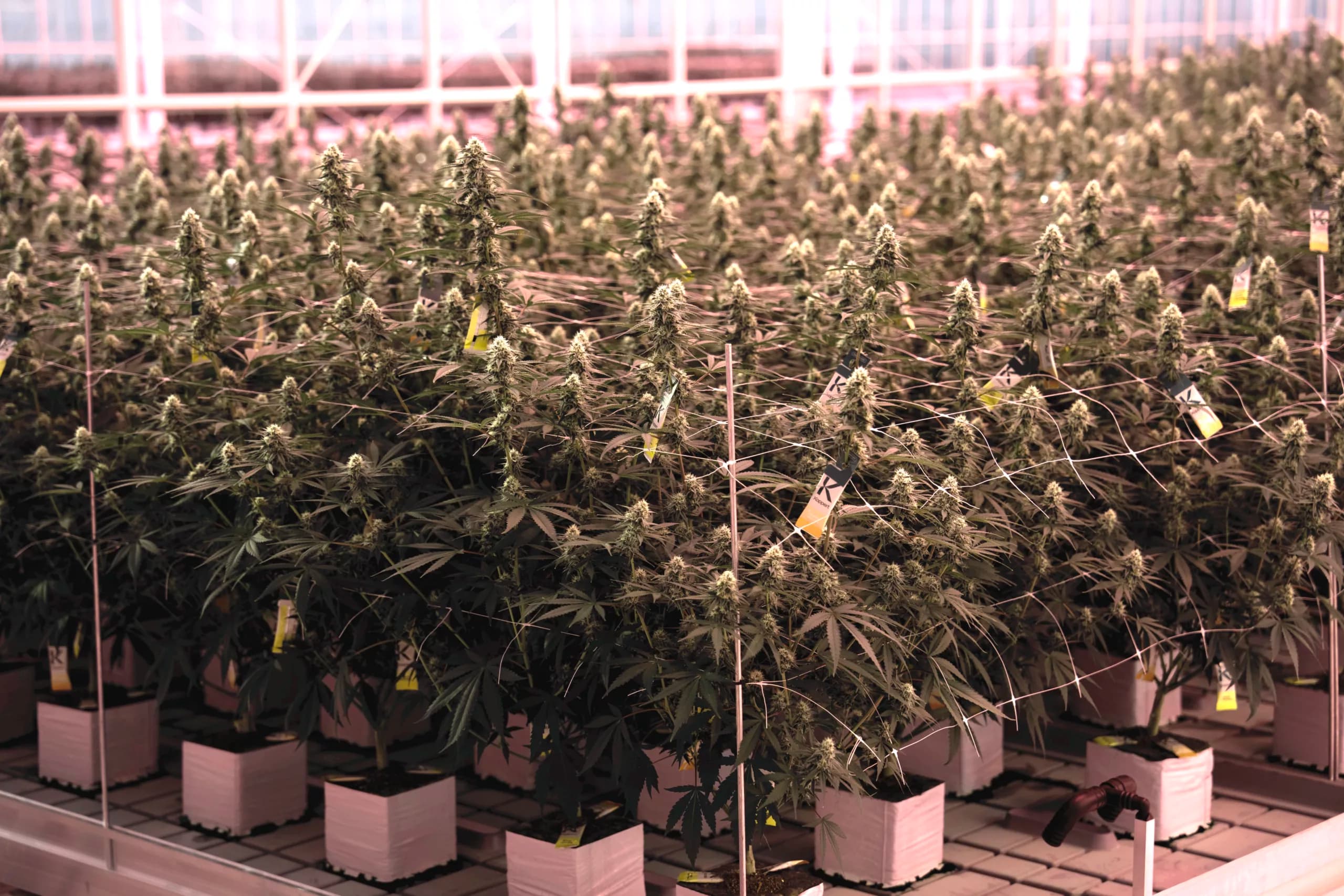
That responsibility extends across production. The choice of plant genetics, control of growing conditions, and care taken during drying and storage all influence the finished medicine. Testing before release is essential, but patients also depend on the work that happens long before a sample reaches the laboratory.
As a producer, I believe we should be able to explain how our decisions support three basic expectations. Patients need consistency between prescriptions, medicine that meets its safety & quality specifications, and a continuous supply to support their treatment. Different producers may take different approaches, but those expectations should remain the same.
For me, a medical cannabis brand earns its reputation by meeting those responsibilities consistently. Patients should not need to understand every cultivation technique or testing procedure to have confidence in their prescription. It is our job to justify that confidence.
Glass Pharms® UK-grown medical cannabis brings together precision indoor cannabis farming, pharma-grade standards, and dependable continuous cultivation practices.