

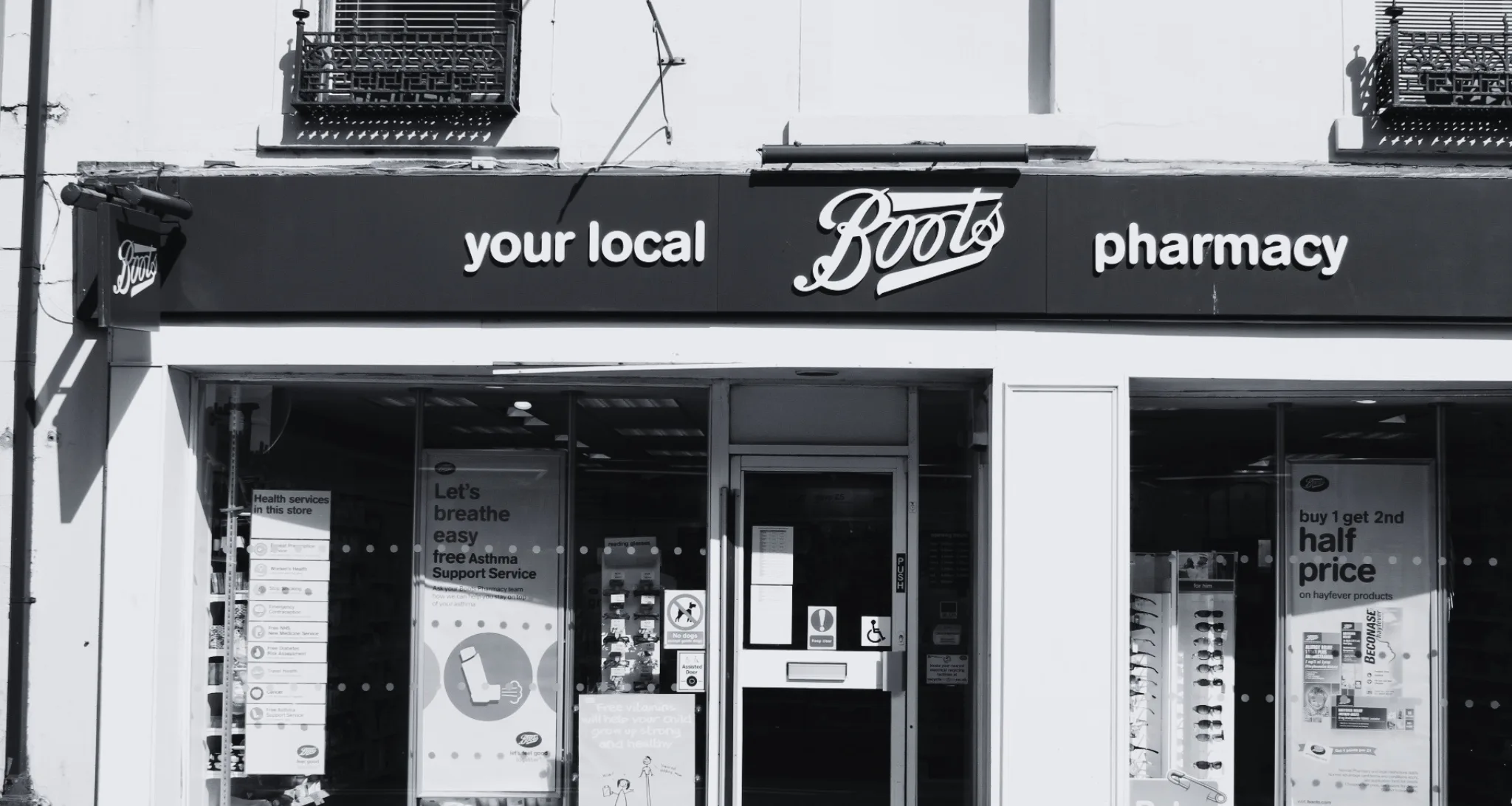
The UK’s largest pharmacy chain, with more than 1,800 stores and £7.5bn in annual revenue, on Monday announced its entry into the blossoming medical cannabis sector.
While the mechanics behind its new online medical cannabis service, SureLeaf, remain thin, the launch has dominated headlines in both industry and national press ever since.
For a sector built on specialist clinics, almost all of them grown from the ground up, the arrival of one of the country’s largest and most recognisable retailers sets a new precedent.
However, whether this represents a positive step forward into mainstream healthcare or whether it serves to entrench an already unbalanced framework is already being fiercely debated.
SureLeaf, launched on November 16 through Boots Online Doctor, will be an online-only service run through Boots Digital Health, the telehealth entity formerly named Lemonaid Health Limited.
This means Boots’ considerable retail estate remains functionally separate from the service, for now at least. Consultations will take place online, and the medicine is delivered to the patient rather than collected in a Boots store.
What do we know about SureLeaf?
At launch, SureLeaf is supplied by a single UK grower and offers a deliberately limited range. Boots told Leafie the selection runs to 11 cannabis flower products and four oils, chosen by clinical need rather than patient preference, though only a couple are shown on the public page, in keeping with restrictions on advertising prescription-only medicines.
The service is priced on consultations, not medicine. Boots charges £89 for an initial plan and £99 a year for ongoing care, with the cannabis charged on top, oils from £35 for 10ml and flower from £38 for 5g.
Boots confirmed to Cannabis Law Report that UK cultivator Glass Pharms, which already supplies several UK clinics, sits behind SureLeaf.
Business of Cannabis understands that Boots has been in conversation with additional UK operators who have provided guidance but do not currently have a formal contract.
The conditions it covers are focused on chronic pain, with more than a dozen indications listed, including fibromyalgia, osteoarthritis and sciatica through to cancer-related pain, palliative care symptom management, pain associated with multiple sclerosis and spinal cord injuries, post-stroke central pain and hypermobile Ehlers-Danlos syndrome. Beyond chronic pain indications, it will also cover generalised anxiety disorder and insomnia.
Mainstream breakthrough the sector has been waiting for
Some of the most bullish voices come from the clinics that will now compete with SureLeaf directly. Tim Kirby, Chief Executive of Releaf, one of the UK’s largest clinics, said Boots’ entry, just over eight years after legalisation, ‘sends a clear message that medical cannabis is a legitimate, regulated treatment option that belongs in UK healthcare.’
The value, he argued, is as much about trust as access: “For patients, that matters. Stigma still stops many people from asking about medical cannabis, and seeing it offered by a high street brand will help more people feel comfortable starting that conversation… It means more patients getting a proper specialist assessment, and for many, a familiar name will be the first step towards a treatment they might never have considered.”
Beyond helping legitimise medical cannabis among the general public, it also helps legitimise the sector in the eyes of ‘investors, partners and healthcare organisations’, Kirby argues, giving them the ‘confidence to engage with medical cannabis, which can only be good for the industry and the patients it serves.’
He added: “Looking ahead, more people will be asking about medical cannabis, from patients to the healthcare professionals they turn to. The sector needs to be ready for that, with clear information, consistent standards and a growing body of evidence. That’s how medical cannabis moves further into mainstream healthcare.”
That read was shared by Jon Robson, Chief Executive of fellow clinic Mamedica, who called the launch ‘one of the most significant developments for the industry since legalisation in 2018.’
Writing on LinkedIn, Robson said Boots’ arrival ‘isn’t simply another competitor entering the market’ but ‘validation of an entire healthcare category’ that would introduce medical cannabis to a far wider audience. The next phase of growth, he added, ‘will be defined not simply by patient acquisition or pricing, but by clinical standards, patient outcomes, accessibility and the quality of care providers deliver… A rising tide lifts all boats.’
The clinical community struck a similar note. Kate Thorpe, Executive Director of the Medical Cannabis Clinicians Society (MCCS), which helped train Boots’ clinicians, said the retailer’s ‘reach and familiarity have the potential to help more patients and healthcare professionals feel comfortable asking about medical cannabis.’ She pointed in particular to primary care, calling it an opportunity to build understanding ‘particularly among GPs and pharmacists who may now find more patients turning to them with questions.’
Others see it as a natural evolution, equating it to the growing prevalence of weight loss drugs from private pharmacies.
Peter Rudd-Clarke, a life sciences partner at law firm Gunnercooke, called SureLeaf ‘the latest example of UK healthcare providers developing more accessible services to meet public demand,’ pointing to the rise of online clinics prescribing weight-loss medicines such as GLP-1s. Boots’ name recognition, he said, is likely to widen public awareness and demand.
A familiar name, but a private one
Patient groups and their representatives were more cautious, noting that Boots may be a recognisable name, but it still sends the bill.
Mohammad Wasway, Managing Director of the patient-led community interest company PatientsCann UK said: “Seeing it offered by the chemist we all grew up with tells people this is real healthcare. But a familiar name doesn’t help if you can’t afford it,” he said, noting that many people living with chronic pain are on low or fixed incomes while the service remains private.
For Wasway, the deeper risk is that a high-street launch lets the state off the hook. “We shouldn’t have to pay privately for a medicine that has been legal since 2018,” he said. The arrival of Boots ‘must not let the NHS off the hook,’ he argued, but should push it to invest in research and set standards ‘based on real evidence.’
The sharpest criticism came from Saxon Coop, Founder and Chief Executive of the information platform Toke, who said the launch should be read ‘as a commercial push by one of the UK’s largest healthcare retailers’.
Instead of helping improve the ‘two-tier’ system, he argued, it entrenches it: “Pushing private cannabis prescriptions at a significant cost to the patient is only making a broken medical supply system worse.”
With consultations, prescriptions and medicines all paid for privately, the result, in his words, is ‘a two-tier system which harms patient-access.’
“Now that Boots is on board, the UK industry is doubling down on its message that cannabis is something patients need to purchase rather than something the health system provides,” he added, calling it ‘a backwards approach to medicine’ that ‘encourages patients that can’t afford private prescriptions to turn to the illicit market without clinical oversight.’