

This week, the first phase of the federal ban on intoxicating hemp took effect. In August, a provision titled ‘Section 781 Extension’ was passed, giving certain products a month’s reprieve before being criminalised.
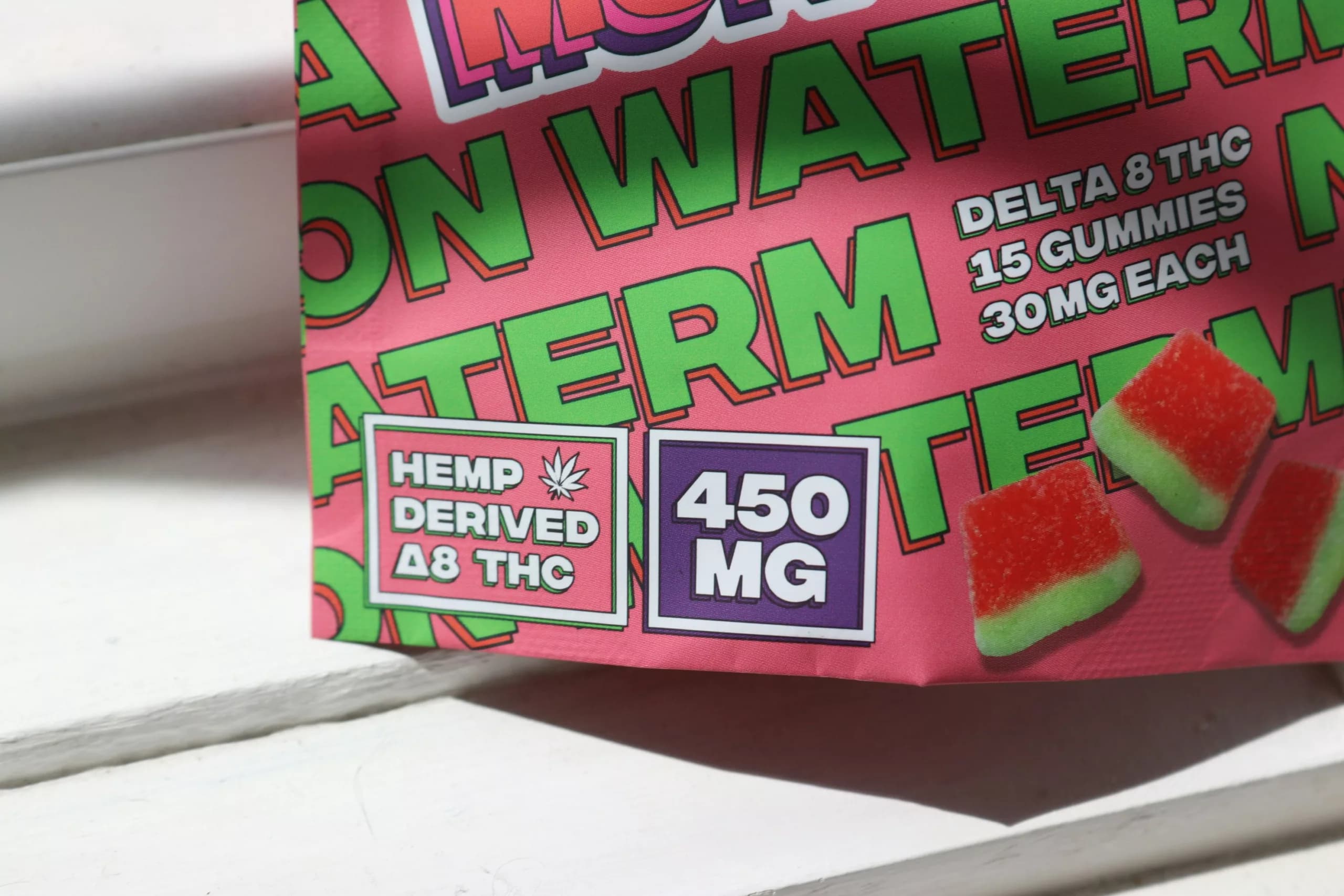
Synthetic cannabinoids, defined in the bill as ‘not capable of being naturally produced by a Cannabis sativa L. plant’ such as some delta-8 THC, were officially criminalised on Thursday, November 12.
Naturally derived hemp THC products, including the drinks and full-spectrum CBD lines, are now set to follow on December 11. States have now begun applying a 0.4mg total-THC cap that pushes higher-strength products into licensed dispensaries, while smoke shops are already clearing their shelves.
Elsewhere in Missouri, Good Day Farm is contesting an antitrust class action over its retail footprint. In Canada, Auxly reported a record quarter despite continued price compression on vapes.
First phase of federal hemp ban implemented
The first phase of the federal ban on intoxicating hemp-derived products took effect on 12 November, Cannabis Business Times reports. Congress’s four-week reprieve keeps most products legal until at least 11 December.
However, it excluded cannabinoids ‘not capable of being naturally produced’ by the cannabis plant, so THC-O became illegal on Thursday. Delta-8, delta-10 and THCP products remain federally permitted until the second phase, which also imposes a 0.4mg total-THC limit per container. The law required the FDA to publish a list of natural and synthetic cannabinoids and to define ‘container’ by 10 February 2026. According to the publication, the agency has done neither, so operators still lack the definitions the law depends on.
Illinois starts enforcing its 0.4mg THC limit
Illinois regulators began enforcing these new restrictions on Thursday, according to a staff report in The Herald-Whig. Under amended provisions of the Illinois Hemp Act and the Cannabis Regulation and Tax Act, any consumable or topical product with more than 0.4mg of total THC per container now counts as cannabis, and only licensed dispensaries may sell it.
The Department of Financial and Professional Regulation will first target products that appeal to minors, untested or mislabelled goods, and unlicensed shops posing as dispensaries. It can impose civil penalties of up to $10,000 per offence, and each day of unauthorised sales counts as a separate violation. The Department of Revenue can levy fines of $1,000 to $3,000.
Missouri’s hemp law empties smoke-shop shelves
Missouri’s new hemp law took effect on Thursday, KRCG 13 reports. House Bill 2641, which Governor Mike Kehoe signed in April, reclassifies hemp-derived products with 0.4mg of total THC as regulated cannabis that only licensed dispensaries may sell. Missouri’s health department has estimated that the law could affect 40,000 food establishments and smoke shops, as well as 1,800 food manufacturers. Some businesses in mid-Missouri have closed. At one Jefferson City smoke shop, an employee told the broadcaster that the products it had to remove made up about half of its sales. Intoxicating hemp beverages can stay on shelves until 11 December, the same date the federal ban’s second phase is due.
Good Day Farm seeks dismissal of Missouri monopoly suit
Good Day Farm has asked a federal judge to dismiss a consumer class action accusing it of monopolising Missouri’s cannabis market, Law360 reports. The plaintiffs allege that the company controls a quarter of the state’s retail dispensaries. Good Day Farm uses that allegation in its defence: if it is one company, it argues, it cannot have colluded with itself to fix prices. The case is an early test of how antitrust claims fare against multi-site operators as state markets consolidate. Business of Cannabis tracks consolidation on its Cannabis M&A Tracker and profiles operators in its Cannabis Companies hub.
Auxly posts record third quarter
Auxly Cannabis Group reported net revenue of C$49.5m for the third quarter, up 24% year on year, in results released via PR Newswire. Adjusted EBITDA rose 29% to C$15.8m, a 32% margin, and gross margin on finished cannabis inventory held at 56%. Net income fell to C$13.6m from the previous year because Q3 2025 included a C$8.1m after-tax gain on a debenture settlement with Imperial. The Toronto-listed company attributed the revenue growth to higher volumes and better flower pricing, partly offset by price compression in vapes. Hugo Alves, the chief executive, said Auxly would expand its Leamington facility and deploy free cash flow where returns are highest. Investors can follow listed operators on our Cannabis Stocks Tracker.
The next key date is 11 December. Then the rest of the federal hemp ban, including the 0.4mg per-container cap, is due to take effect unless Congress intervenes. Without FDA definitions, enforcement will fall unevenly on states such as Illinois and Missouri. Dispensaries stand to gain shelf space as hemp retailers absorb further losses. Stay up to date with all the latest on the Cannabis News Hub.