

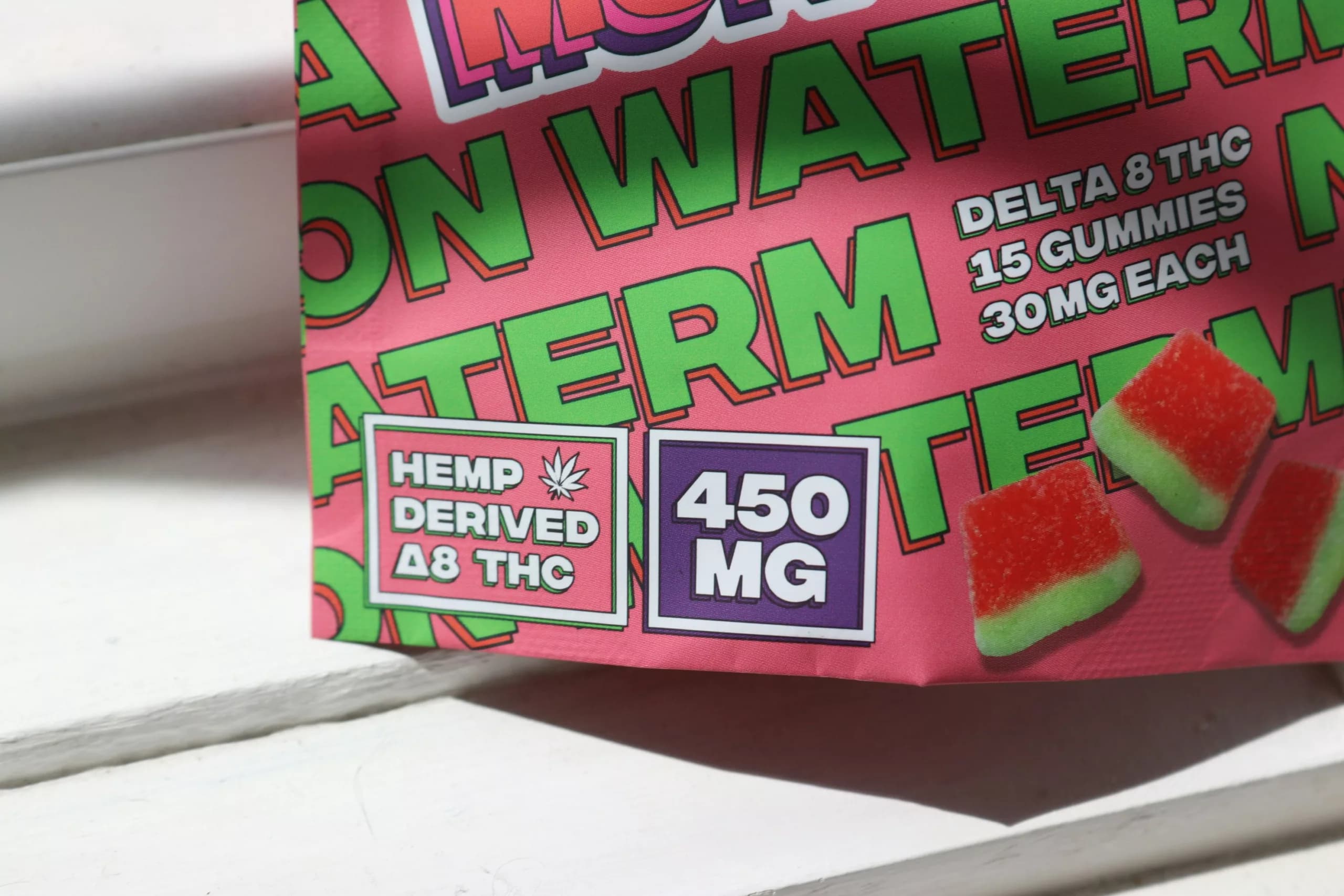
The US intoxicating hemp market, thought to be worth around $28bn in annual sales, could yet be saved from a devastating ban set to be implemented in a matter of months.
This week two members of congress introduced new legislation that, if passed, would repeal the looming November ban on almost all hemp-derived cannabinoid products and introduce comprehensive federal regulation.
Representatives Andy Barr, a Kentucky Republican, and Angie Craig, a Minnesota Democrat, introduced the bipartisan Lawful Hemp Protection Act in Washington on 22 July, setting federal standards for the cultivation, manufacturing, testing and labelling of hemp-derived consumer products.
The ‘hemp-killing clause’
The bill is a direct response to Section 781 of the 2026 agriculture appropriations law, which President Trump signed in November 2025 as part of the package that ended the government shutdown.
Section 781 amends the federal definition of hemp under the Agricultural Marketing Act of 1946, closing the so-called ‘hemp loophole’ created by the 2018 Farm Bill that allowed psychoactive hemp-derived cannabinoids such as delta-8 THC, HHC and THCA to proliferate.
It also seeks to futureproof that definition, capturing any newly developed compounds with similar effects, and although it attempts to spare the non-intoxicating hemp sector, industry groups say it ultimately fails to do so.
Due to take effect on November 13, 2026, the provision would cap finished products at 0.4 milligrams of total THC per container, a threshold industry groups estimate would render about 95% of hemp-derived products now on sale federally unlawful.
READ MORE…


The Lawful Hemp Protection Act
The Barr-Craig bill would strike that provision out. In its place, it would raise the plant-level threshold to 1% total THC on a dry-weight basis, separate industrial hemp from consumable products, and direct the Food and Drug Administration to set serving limits through rulemaking.
Should the agency fail to act within a year, the bill defaults to 5 milligrams of THC per serving for ingestible products, and 50 milligrams for vapes and topicals.
Beyond potency, the legislation would also regulate how products are manufactured and sold. It would ban synthetic and lab-modified cannabinoids, require that hemp be grown, processed and packaged in the United States, restrict sales to those aged 21 and over, and prohibit marketing to children.
Hemp beverages would be brought under the Alcohol and Tobacco Tax and Trade Bureau, with a three-tier distribution system separating manufacturers, wholesalers and retailers, and a new excise tax of 5 cents per milligram of THC. Other hemp cannabinoid products would carry a 5% sales tax.
Alongside hemp bodies such as the U.S. Hemp Roundtable and the Hemp Beverage Alliance, its backers include the drinks retailer Total Wine & More and the Wine & Spirits Wholesalers of America.
“Kentucky farmers helped build America’s hemp industry and they deserve certainty,” said Barr, describing the bill as ‘a commonsense regulatory framework that allows this important industry to continue to grow while ensuring products are safe and kept out of the hands of children.’
Craig, the lead Democrat on the House Agriculture Committee, said the proposals were an alternative to ‘short-sighted federal policies that threaten Minnesota jobs and consumer choice’.
Jonathan Miller, General Counsel of the U.S. Hemp Roundtable, welcomed the bill, arguing that ‘prohibition is the wrong path’.
A multi-billion dollar market on the line
Estimates vary on the size of the market, depending on how the sector is defined. Whitney Economics has valued the US hemp-derived cannabinoid market, overwhelmingly intoxicating products, at around $28bn in retail sales, rivalling the state-legal cannabis market. Estimates of the wider hemp economy run higher still, with Barr’s office citing a $30bn contribution to the US economy, and industry campaigners referencing a $40bn domestic market.
The Hemp Roundtable estimates the ban would cost states around US$1.5 billion in lost tax revenue and shutter thousands of small businesses and farms.
While it is one of the most comprehensive regulatory proposals put forward to date, it joins a crowded field of hemp measures.
Representative Nancy Mace introduced a repeal-only bill days after Section 781 passed, and earlier attempts to address hemp through the Farm Bill stalled in committee.
The Barr-Craig proposal must repeal a measure already signed into law and counting down to enforcement. Its bipartisan sponsorship helps, as does the backing of the alcohol lobby, but its path through the Senate is unclear and the calendar is unforgiving.