


Medical cannabis’s cultivar names have, over the past two years, become an increasingly controversial part of the European prescription framework.
In the UK, the Medicines and Healthcare Products Regulatory Agency (MHRA) has been quietly raising concerns with clinicians and clinics over the ‘recreational’ brand names common throughout the European medical market.
As James Duckenfield, CEO of Glass Pharms, wrote recently in Business of Cannabis: “Cannabis, unlike almost all other prescribed medicines, carries a strong commercial identity outside of healthcare settings. There is no denying that overseas recreational markets have impacted how medical cannabis is presented and perceived in the UK.”
Regulatory concern about that closeness to the recreational market is understandable. Yet these brand names also arguably help patients identify terpene profiles and keep their treatment consistent. That argument, according to the University of British Columbia’s Davis Allen, gets harder to make every year.
“The entire international genetic market appears to be, for lack of better language, almost fraudulent,” Allen said.
What it says on the tin
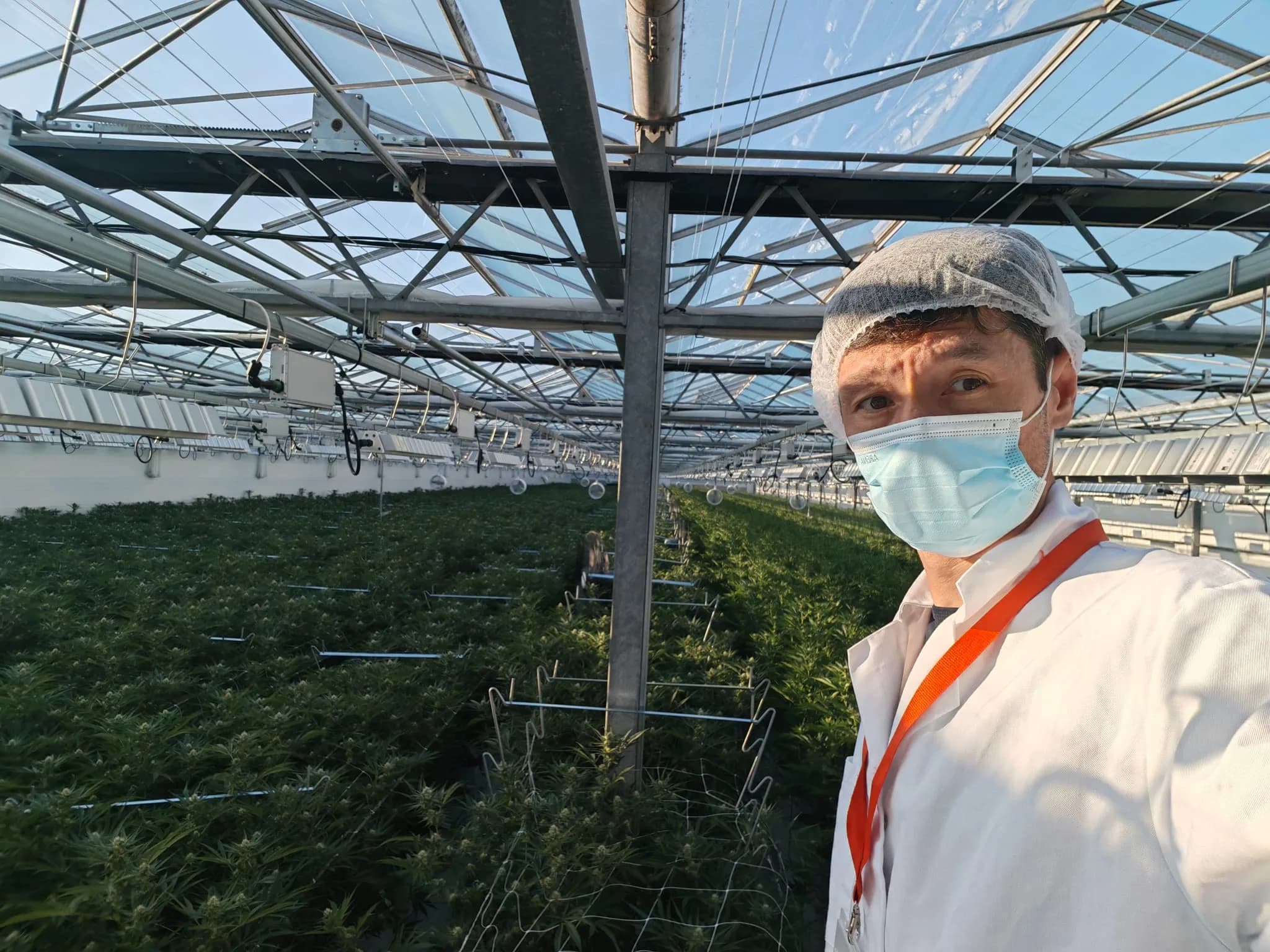
Allen spent five years running the cultivation side of a Health Canada-licensed producer he co-founded in 2019 before moving into the genetics and botany department at the University of British Columbia to work on cannabis full time.
He does not believe most operators are deliberately or maliciously misrepresenting their products. But he argues it is nearly impossible to prove whether the cultivar names printed on medical and adult-use products across Canada and its export markets actually describe what is inside.
When Canada opened its adult-use market in 2018, licensed producers inherited a lexicon of names from the illicit and medical trade and used them as marketing, he explained, whether or not they held the plant that earned the name. Pink Kush, prized in British Columbia for its pink pistils and distinct rose-like aroma, could be found listed by at least five companies after legalisation, none of which, to his nose, carried its signature scent.
The root problem is biological because most cannabis seed on the market is genetically unstable. Steven Tan, CEO of Jersey-based Northern Leaf, who has bred cannabis commercially for years, estimates that the vast majority of cannabis cultivars trace back to just 50 to 100 original parent lines, and that most are so genetically alike they cannot be split into distinct varieties at all.
What the market sells as different cultivars are, in most cases, the same genetics expressing themselves in different ways. Years of cross-breeding have pushed many so close together that they can no longer be reliably told apart.
Because that seed has never been bred to be genetically uniform, a single batch behaves unpredictably. Grow ten cannabis seeds, Tan says, and they can carry noticeably different THC and terpene levels, enough that you might finish with three plants the legacy market would sell as separate cultivars: one leaning to the mother, one to the father, one in between.
“Plant a tomato seed and you get every tomato exactly identical. You don’t have that in cannabis,” Tan said.
So when a dispensary sells a popular cultivar like OG Kush, he argues, there are almost certainly thousands of distinct variations trading under that single name.
Allen points to the breeders themselves. “The breeders in the space don’t understand plant breeding,” he said, describing a culture of crossing plants for a liked trait without the generations of inbreeding and selection that produce a stable line. The result, in his words, is that ‘the names are for the most part meaningless now.’
Why does this matter?
Seen purely as agriculture, Tan says, these are all one variety wearing different names. “But from the user’s perspective, those phenotype differences create massive medicinal and psychoactive differences.”
Allen, who has an autoimmune disorder and is himself a medical cannabis patient, explained that cannabis’s therapeutic effect can hinge on minor cannabinoids such as CBDV, which shows apparent anti-convulsant properties, rather than headline THC. A patient with epilepsy steered towards a named variety carrying it is, in effect, playing roulette once other companies copy that name onto unrelated plants.
Commercial economics narrow the field further. The pressure to cut costs rewards cultivars that flower quickly, tilting the medical market heavily towards indica-leaning, short-flowering plants. Longer-flowering, sativa-leaning varieties, several of which carry specific medical and psychoactive benefits, have grown scarce and, Tan argues, are being overlooked. Because those sativa-leaning plants take longer to flower, he says, much of what is sold under a given cultivar name is simply whatever finishes in a commercial 45-day cycle, not the 90-day plant the name implies.
The market itself also shapes the labels. “If a fake strain becomes popular, it becomes the original to many,” Tan said. He points again to Pink Kush: the version sold most widely today has become, for most buyers, the definitive one, even though an older legacy line still lives in the memory of an earlier generation. Over time, he argues, that original is diluted and loses its claim.
Why is it so hard to prove?
In conventional agriculture, a breeder starts with verified material from a gene bank. Canada has run the Plant Gene Resources of Canada since 1970. Because of its history of prohibition, cannabis has no equivalent. “There’s no open-source genetic bank,” Tan said. “No university bank, no agricultural-development data. None of that.”
That gap also leaves cultivators struggling to protect their own work. Canada grants plant breeders’ rights through the Canadian Food Inspection Agency and the EU through the Community Plant Variety Office, each requiring a variety to be distinct, uniform and stable across generations before it can be registered. Almost no cannabis on the market clears that bar, and a plant that cannot reproduce its traits reliably cannot be protected in the first place.
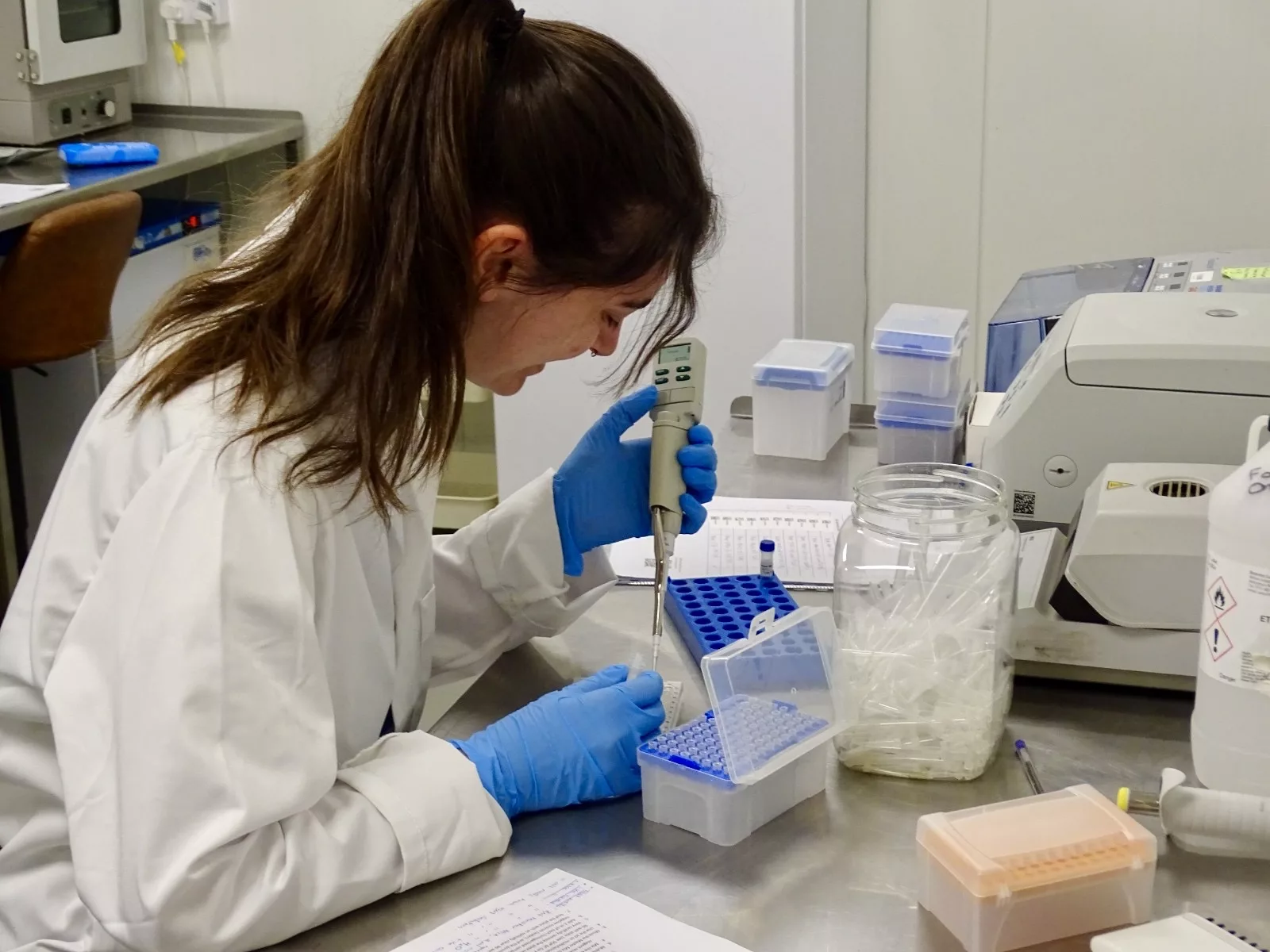
Existing reference points are thin. Consumer databases such as Leafly and SeedFinder largely log names and reported lineages rather than DNA. Private efforts like Oregon’s Phylos Bioscience gathered growers’ genetics under a preservation banner before announcing a breeding programme in 2019, a reversal that collapsed the associated Open Cannabis Project and hardened the sector against open libraries.
With no shared infrastructure, genetics have been pushed into private hands and guarded closely. By Tan’s estimation, they account for around 30% of the value a cultivation cycle creates through better yield, THC and terpene content, which is why companies protect them as fiercely as the wider agriculture industry does.
That shift is already visible. Organigram, one of Canada’s largest licensed producers, has committed up to US$10m to Phylos for priority access to its THCV and other rare-cannabinoid seed lines. Aurora Cannabis secured Canadian plant breeders’ rights for two proprietary cultivars in May 2026, following variety protection in Europe, and has signalled it will defend its genetics in court.
Building the library
The fix, Allen argues, needs intervention from the top. He is already lobbying for a federally funded, centralised gene bank in Canada, having put a standardised-library proposal to the CFIA, Agriculture and Agri-Food Canada, Health Canada and the controlled-substances branch. The second step is mandatory DNA fingerprinting to build a reference database. The third he considers inevitable within five to ten years: registered cultivars becoming the norm, as demand pulls the market towards varieties bred for equatorial light, for cold and mildew resistance, and for distinct, verifiable chemical profiles.
Tan expects the same shake-out to shrink the thousands of names down to perhaps ten cultivars that outperform the rest over the next decade or two. Both men land in the same place: authentication is coming, and the operators building verifiable, stable genetics now are the ones who will still own their names when it arrives.