

“Patients rarely stop because of the medicine. They stop because of the experience,” Cyrus Sadaghiani, Chief Revenue Officer of Retail North, told Business of Cannabis.
A poor patient experience, he argues, is the key reason why too many UK patients quietly end their medical cannabis journeys just weeks after they have started. It is not the medicine, nor, in his view, the clinics. What turns so many patients away are their first experiences with the devices that UK law requires them to use.
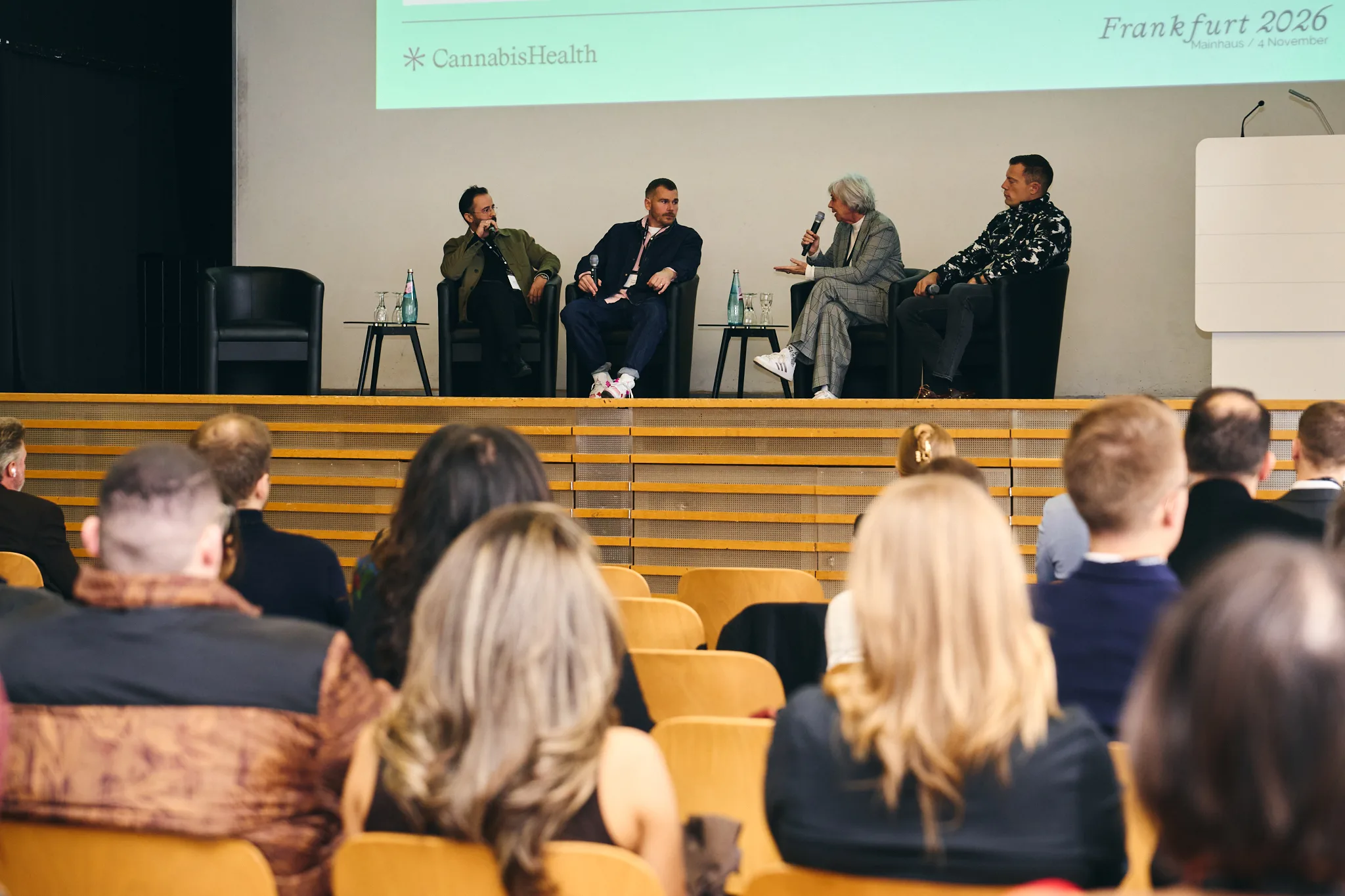
This poorly understood and rarely discussed dynamic is why the Banbridge-based platform has chosen to partner with the Cannabis Health Symposium series, which ran in Frankfurt on 4 November and comes to Conway Hall in London on 26 November.
Retail North is a distribution, dropshipping, technology and consultancy platform for dry herb vaporisers and accessories, serving clinics, pharmacies, telemedicine platforms and specialist retailers across the UK, Germany and the EU. It handles devices and accessories only, never the medicine itself. Based in Northern Ireland, it supplies both the UK and the EU from a single warehouse.
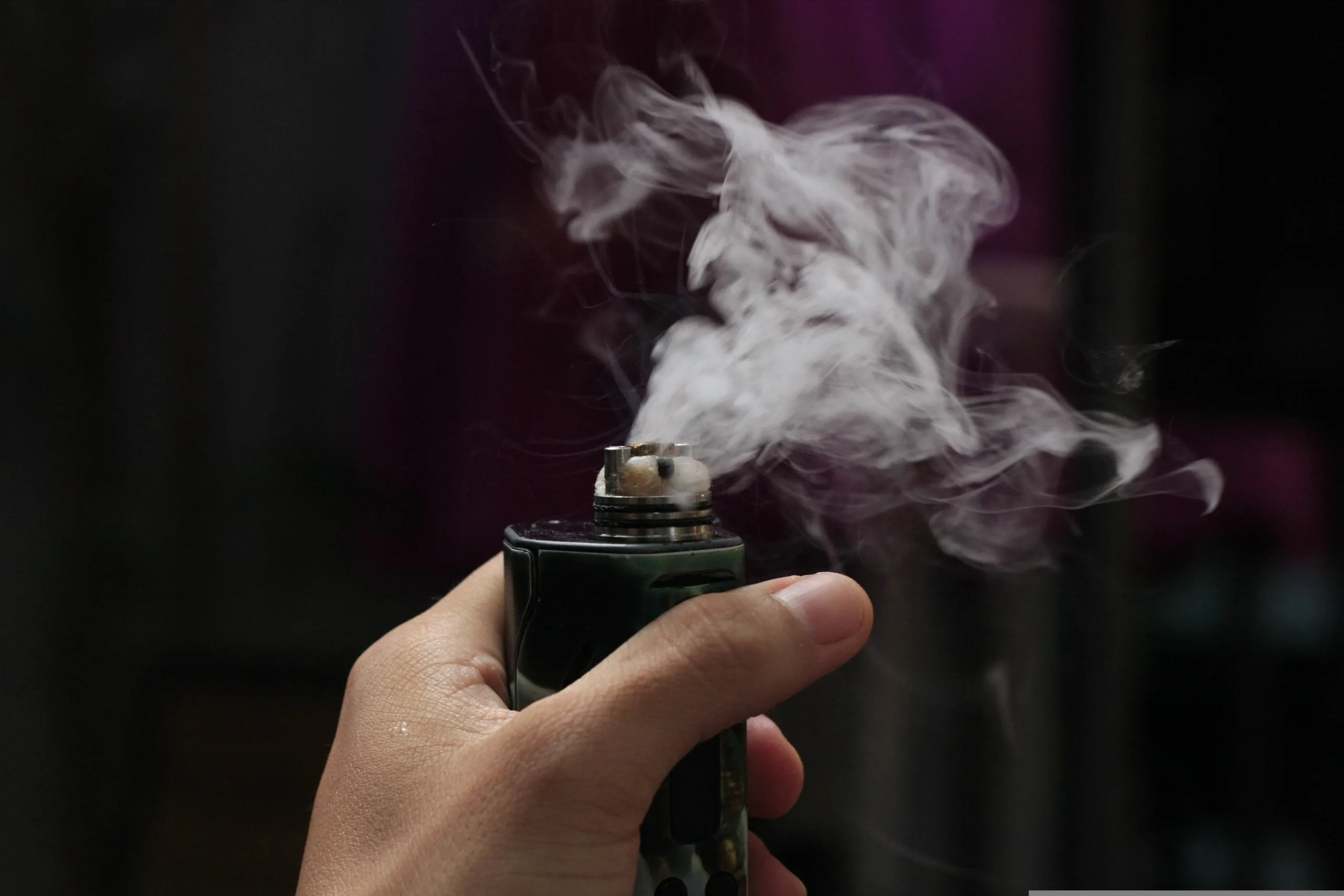
The UK matters particularly because prescribed cannabis flower has to be vaporised, not smoked, which makes the device a functional part of the treatment itself.
“In the UK, prescribed cannabis flower has to be vaporised, not smoked, so the device is part of the treatment,” Sadaghiani says. “If the device doesn’t suit the patient, or nobody shows them how to use it, the treatment suffers.”
When patients abandon treatment, and where the journey breaks down
Breaking this theory down into identifiable steps, Sadaghiani believes he has pinpointed the point at which patients are most likely to give up.
A patient journey, he explained, is split into six stages
- Prescribe – a specialist prescribes and agrees to a treatment plan
- Match – a device is chosen by need state rather than brand
- Educate – the patient is shown how to set up, use and clean their device
- Equip – they leave with the spare parts, cleaning kit or capsules that keep it working in the first weeks and long afterwards
- Support – planned check-ins and help when something goes wrong
- Continue – over time, device experience is fed back at clinical review
Stages three and four, educate and equip, are where the issues most regularly occur. “Those two stages don’t feel clinical, so they get the least time,” Sadaghiani says. “They are also where a little training makes the biggest difference.”
The pattern shows up repeatedly in Retail North’s warranty and support channels. Patients report that a new device produces little or no vapour and assume it is faulty.
Usually, Sadaghiani says, the flower is too dry or ground too coarsely, the chamber is underfilled, or the temperature is set too low. Others report that sessions taste harsh and burnt, typically a result of the temperature being set too high or the chamber being packed too tightly.
Additionally, a mouthpiece or screen needs eventually needs replacing, and with no spare parts on hand, the patient abandons the device.
“None of these is a medicine problem, and all three are preventable,” Sadaghiani says.
The ‘need state’ framework
Retail North’s answer to this is to train patient-care teams on that first session and make sure spares and warranty support are in place. They have created a framework which ensures clinicians and dispensing teams to consider the patient’s lifestyle and treatment before a make and model of device is chosen.
New or nervous patients are matched to a simple portable device with few controls. Patients focused on cost go to a lower-cost portable model with full temperature control.
Those prioritising discretion go to a pocket-sized unit that heats quickly. Patients seeking consistency are directed toward convection or hybrid portables with capsules, while frequent at-home users are directed toward a durable desktop device.
Teams are also encouraged to ask about hand strength, breathing, eyesight and living situation. Many patients, Sadaghiani notes, fit more than one need state.
“We ask teams to start with the patient, not the brand,” Sadaghiani says. “Begin with how someone lives and what they need from their treatment, and choose the make and model last.”
This dynamic may be more prominent in the UK, but it is not unique to the market. Last month’s Cannabis Health Frankfurt symposium, Sadaghiani says, clarified this for him.
Germany’s medical cannabis pathway runs largely through telemedicine platforms and pharmacies, meaning a patient can receive their medicine without anyone showing them which device to use or how to use it.
“The questions are the same in both markets, even though the pathways are different: which device suits this patient, who shows them how to use it, and who helps when something goes wrong,” Sadaghiani says. “Having a patient-care team does not guarantee the first session happens. It is still the step that gets squeezed.”
Sadaghiani believes Thursday’s London symposium, where Retail North will have its ‘need state’ framework laid out on its stand alongside various devices for delegates to pick up and compare, is the perfect place to start the conversation.
“A lot of attention goes on access and prescribing,” he says. “Less goes on the patient’s first few weeks, which is when they decide whether the treatment is working for them. A day of CPD-accredited education for clinicians is the right place to raise that.”
The Cannabis Health Symposium London takes place at Conway Hall on 26 November 2026. Full programme and booking here.