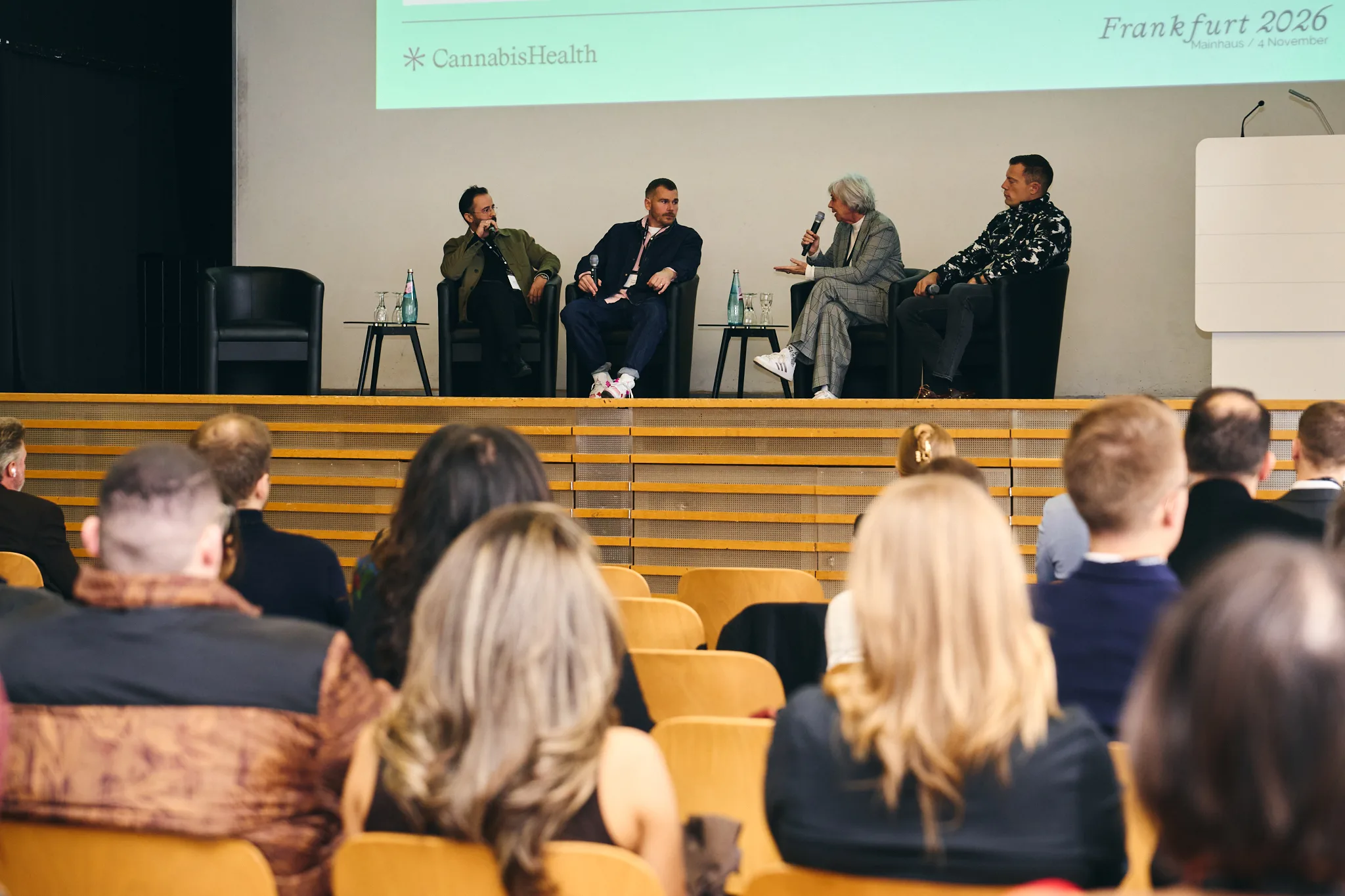



Ahead of the Cannabis Health Symposium: London conference tomorrow, the UK Cannabis Industry Council (CIC) has published a policy paper arguing that trained nurses are the UK medical cannabis sector’s most underused clinical resource.
The paper, Nurses in Cannabis Care: The Case for Expanding Nursing Roles in the UK Sector, will be presented at Conway Hall on Thursday, November 26, by Adam Windish, the CIC’s Standards, Awareness and Education Pillar Lead.
Over the last year, the limited pool of doctors able and willing to prescribe medical cannabis to the ever-expanding UK patient base made headlines in the mainstream media.
As we reported in June, FOI data shows that pharmacist-independent prescribers accounted for 955,471 items between January 2019 and May 2025, 61.9% of the total items prescribed. Doctors, meanwhile, accounted for 553,218 items, or 35.8%, while nurse prescribers contributed just 25,947 items.
This imbalance is the key focus of the CIC’s new report, written by Ariana Ayu, founder of the US-based CannyNurse® Certificate Programme. It argues that the UK sector has outgrown the small pool of specialist prescribers currently responsible for initiating unlicensed cannabis-based medicinal product (CBPM) treatment.
With patient numbers expanding and prescribing volumes rising sharply, the paper contends that appropriately trained nurses can take on structured follow-up, education, titration, triage and medication review within the existing UK regulatory framework.
“This model does not remove specialist medical oversight,” the paper states. “It distributes care according to professional competence and uses nursing capacity to provide more consistent follow-up and patient support.”
The CIC estimates that between 75,000 and 90,000 patients received medical cannabis treatment in 2025, with cumulative patient numbers since 2018 approaching 100,000 and some forecasts projecting an active patient base of more than 140,000 by the end of 2026.
The Care Quality Commission’s (CQC) 2025 annual update recorded a 134% year-on-year increase in independent-sector CBPM prescribing to 833,525 items, following a 130% rise the year before.
Set against those figures, the paper notes that the 2025 Ipsos Veracity Index found 92% of Britons trusted nurses to tell the truth, the highest figure recorded for any profession in the poll.
The UK’s existing clinical and regulatory framework, it suggests, already accommodates a wider nursing role without new legislation. Nurse-independent prescribers regulated by the Nursing and Midwifery Council have been able to prescribe unlicensed medicines on the same basis as doctors since 2009 and controlled drugs within their competence since 2012.
The Medical Cannabis Clinicians Society’s Good Practice Guide for Prescribers of CBPMs already permits appropriately qualified non-medical prescribers to undertake follow-up care within a specialist-defined treatment plan.
In 2018, the Royal College of Nursing called for the list of professionals able to initiate CBPM prescribing to be extended to appropriately trained non-medical prescribers, including nurse-independent prescribers. The CIC paper does not reopen that argument but believes follow-ups, shared care plans and structured patient support are already within the current remit.
Case studies already exist
The paper sets out two UK case studies to show the model is already working in practice. Kim Kaye, Head of Nursing at Releaf, is cited as a non-medical prescribing nurse who holds follow-up consultations with more than 80 patients a week under shared-care arrangements, reviewing medication response and adjusting dose and formulation within parameters set by the initiating specialist.
Katrina Boulton, a former NHS palliative care and chronic pain nurse, is referenced as a clinical nurse advisor at The Medical Cannabis Clinics, supporting patients from first enquiry through ongoing treatment.
“These examples suggest that the proposed model is not theoretical,” the report notes. “Elements of nurse-led and shared-care practice are already operating in UK clinics.”
Four key recommendations
The paper closes with four priority recommendations for the sector. It calls on clinics and other operators to:
- Invest in established and recognised specialist nursing education programmes
- Integrate nursing roles into existing clinical pathways with clearly defined responsibilities
- Establish robust clinical governance and escalation procedures to maintain patient safety
- Develop sustainable nursing career pathways that recognise specialist expertise and support professional development.
“Nurses are an overlooked asset in the UK medical cannabis industry,” said Ayu. “Hiring properly trained ECS nurses can increase patient satisfaction, ease burdens on prescribers, and decrease clinic costs. What’s not to like?”
Windish framed the paper as part of the CIC’s broader standards and education agenda. “This report forms part of the CIC’s ongoing work to support a safe, professional and well-regulated UK medical cannabis industry, including the development of clinical standards and greater awareness of best practices across the sector.”
Nurses in Cannabis Care: The Case for Expanding Nursing Roles in the UK Sector is available via the Cannabis Industry Council’s website, and will be presented on the workshop stage at the Cannabis Health Symposium London at Conway Hall on Thursday, November 26, 2026. Full programme and booking here.