Industry Trends
What Does the Democratic Sweep Mean for US Cannabis?
Last week’s US midterm elections have transformed the political map of the country, handing both the House and the Senate over to the Democrats.

Analysis of federal and state cannabis reform shaping the North American market.
Last week’s US midterm elections have transformed the political map of the country, handing both the House and the Senate over to the Democrats.
As Chief Administrative Law Judge Derek Julius weighs his recommendation on moving cannabis to Schedule III, the DEA’s own closing brief attacks nearly every witness who opposed it — bar one scientist inside its own ranks.
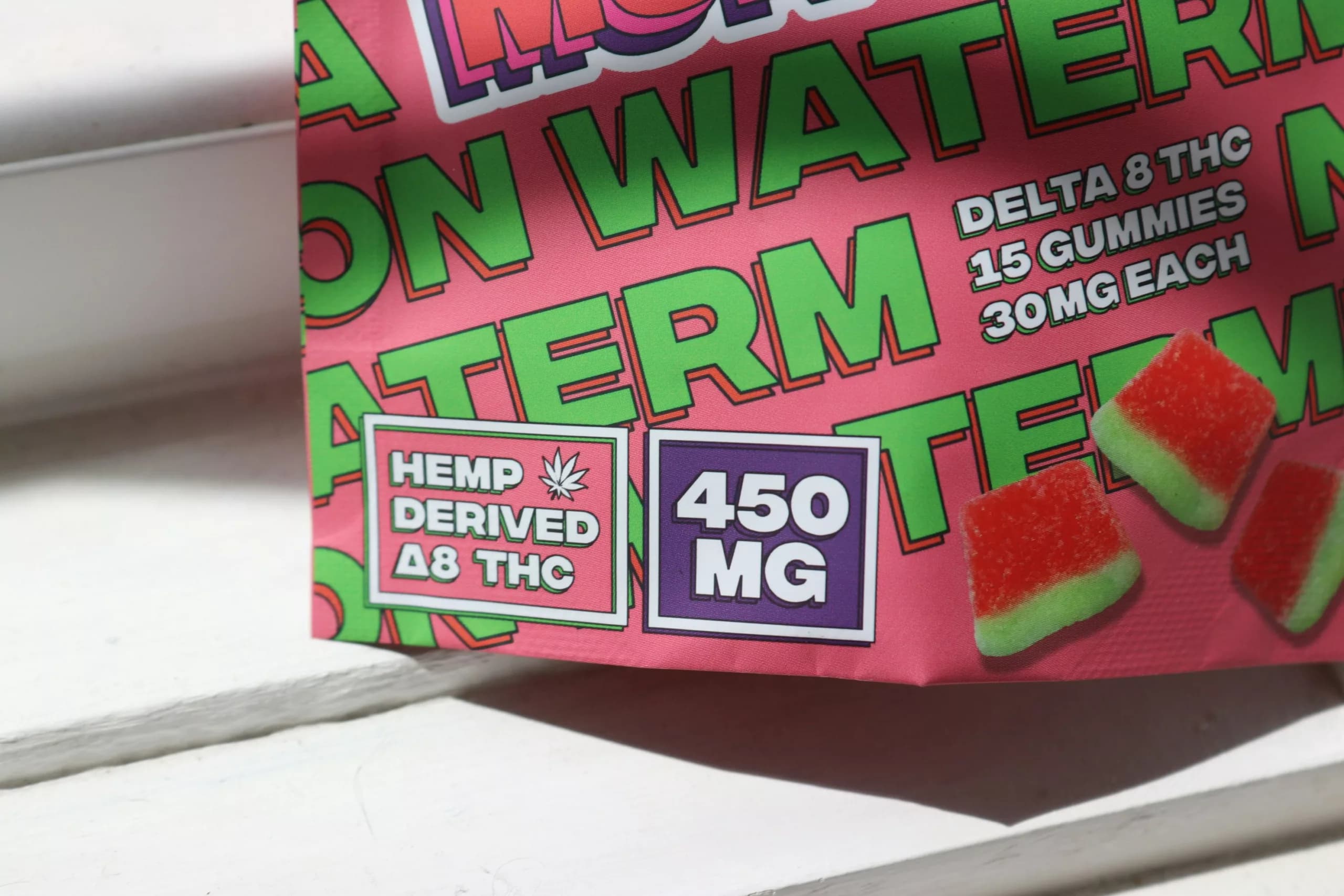
The US hemp industry has successfully bought itself some additional time to find a permanent solution to the incoming federal ban.
The US intoxicating hemp market, thought to be worth around $28bn in annual sales, could yet be saved from a devastating ban set to be implemented in a matter of months.
The Drug Enforcement Administration’s (DEA) administrative hearing on cannabis rescheduling saw both sides make their closing arguments on Wednesday, July 15, bringing the 17-day proceedings to a broadly positive close.
Tomorrow (July 15, 2026) the landmark administrative hearing on US cannabis rescheduling will come to a close.
This week, what is perhaps the most consequential hearing in the history of the US, and indeed the global cannabis industry, is taking place in Arlington, Virginia.
On Monday (June 29), the most consequential hearing in the history of US cannabis policy began proceedings, as the DEA and the seven invited representatives made their opening statements.
On June 29, 2026, one of the most consequential hearings in the history of US cannabis policy, the crucial DEA Administrative Law Judge (ALJ) hearing that could determine whether adult-use cannabis joins state-licensed medical cannabis on Schedule III of the Controlled Substances Act, begins proceedings.