

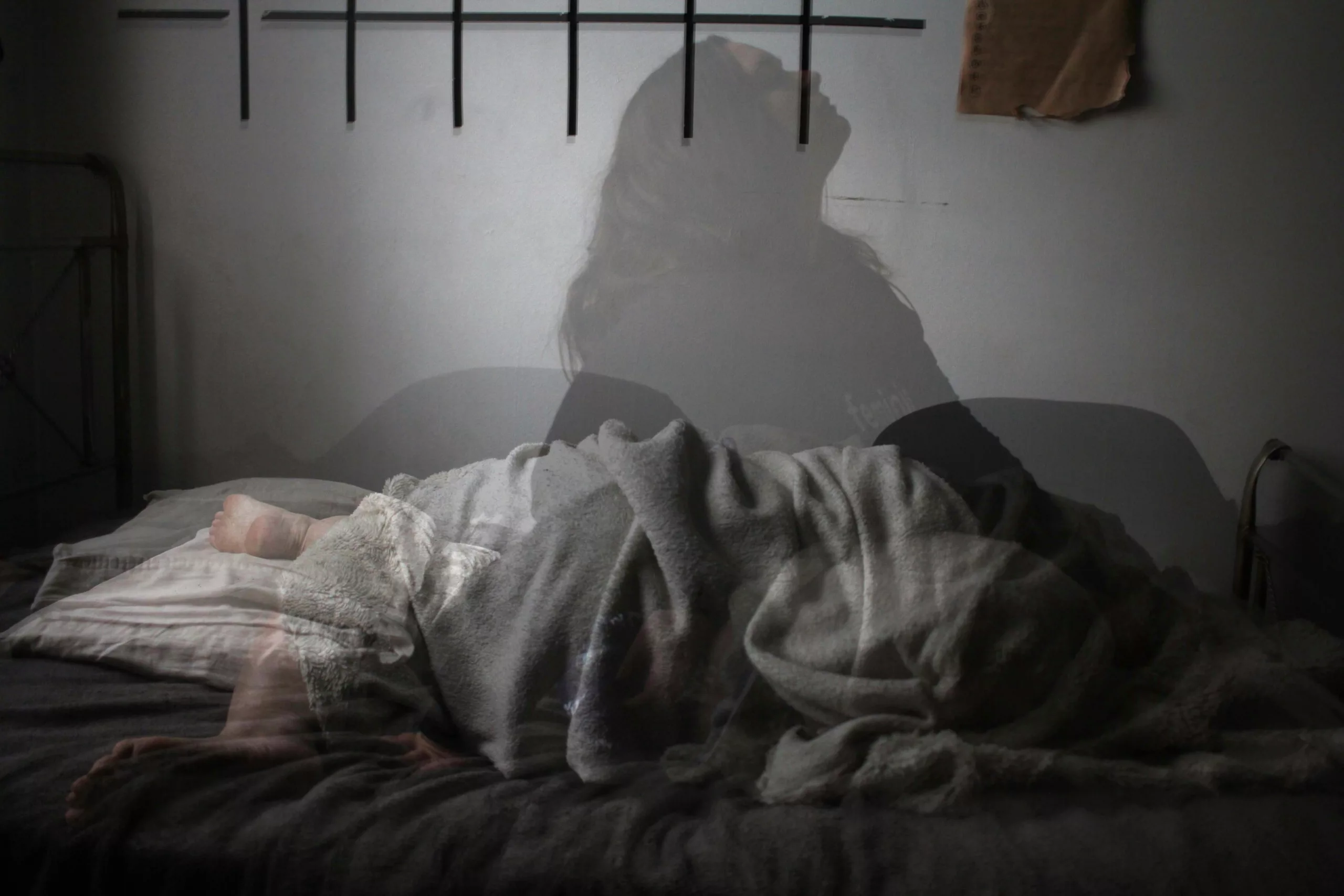
The world’s largest clinical trial on cannabidiol (CBD) as a treatment for insomnia has been given the green light to complete its Phase III trial, transforming the fortunes of Avecho Biotechnology, and potentially the lives of insomnia sufferers worldwide.
On June 24, 2026, an independent Data Monitoring Board published its interim analysis of Avecho’s (ASX: AVE) Phase III insomnia trial, recommending the study continue to its planned enrollment of 519 participants, and eventual completion next year.
On the face of it, a green light to complete a trial already half way to completion may not sound like a life changing development. Yet, for Dr Paul Gavin, Avecho’s Chief Executive, this couldn’t be further from the truth.
Just two weeks earlier, Gavin was faced with the prospect of ‘winding the trial up after years of hard work and investment, making life difficult for the company moving forward ’. Thankfully, he tells Business of Cannabis: “My life is very different now… Instead, it’s like now the world is my oyster.”
This all-or-nothing dynamic so common in the biotech sector, means Avecho is now in a ‘mad rush to finish the phase three trial and get it towards registration.’ If the full trial confirms the interim signal, Avecho’s product would become the first CBD product registered with the Therapeutic Goods Administration for over-the-counter sale in Australia, an approval that would also close the country’s prescription pathway to rival CBD insomnia treatments and hand Avecho an effective first-mover monopoly.
Avecho’s CBD TPM capsule
The product at the centre of the trial, one of multiple cannabinoid-based drugs in its pipeline, is a soft-gel capsule containing ultra-high-purity synthetic CBD combined with its proprietary TPM technology.
CBD has shown therapeutic promise across a range of conditions, but it has long frustrated drug developers because it is poorly absorbed when taken orally, making consistent, pharmaceutical-grade dosing difficult.
Avecho’s proprietary technology, which Gavin is credited with helping invent, is its Tocopheryl Phosphate Mixture (TPM). In canine studies, the company says, TPM lifted CBD absorption roughly fourfold against Epidiolex, the only CBD medicine approved by the US Food and Drug Administration.
The trial is a multi-centre, randomised, double-blind, placebo-controlled study, with patients, investigators and Avecho itself all blinded to which participants receive what. Participants take a nightly dose of 75mg CBD, 150mg CBD or placebo over eight weeks, and the study carries two independent primary endpoints, the Insomnia Severity Index and subjective sleep efficiency.
What the interim analysis confirms is that, based on the data from the first 244 participants, the trial has met its pre-specified criteria to continue for efficacy, meaning it detected a treatment effect against placebo on at least one endpoint.
Crucially for CBD operators still battling to get their products approved as safe for consumption, no serious adverse events were recorded. On the company’s reading, the product is so far performing in line with approved insomnia medicines.
“Although we remain blinded and the study is not complete, so final outcomes cannot be determined until then,” Gavin continued, “we are more confident than ever that our CBD capsule works as a treatment for insomnia.”
READ MORE…


A market with the door held open
Since February 2021, low-dose CBD in Australia has only been eligible for pharmacist, over-the-counter sale, but no product has yet done the clinical work to qualify.
Under Australia’s Special Access Scheme, the prescription route through which its medical cannabis market has expanded exponentially, treatment is only open where no registered medicine exists for the indication.
Gavin explained that as soon as Avecho’s CBD treatment is registered with the Therapeutic Goods Administration (TGA), this means ‘it becomes illegal for a similar CBD product to be prescribed for the same indication’ using the existing medicinal cannabis prescribing pathways available for unregistered medicines.
Registration would remove the need for a prescription or a GP visit, Gavin said, handing Avecho ‘direct access to the entire adult population whenever they walk into a pharmacy’. He called it a ‘huge commercial advantage over medicinal cannabis and prescription medicines’.
This opportunity is what attracted one of the world’s largest generic pharmaceutical companies , Sandoz to Avecho. The pharma giant licensed the Australian rights in 2025 for US$3m upfront, up to US$16m in milestones and tiered royalties of 14% to 19%.
Sandoz will handle the TGA submission, supply and distribution. Gavin’s projects that, if successfully registered with the TGA, ‘I will get 20 to 50mUS every year, just for Australia… That’s before you factor in rest of world.’
Avecho puts the addressable Australian over-the-counter CBD market at more than US$125m year, set against a global insomnia treatment market it values at roughly US$9.5bn by 2033. Some 9.5m Australians experience insomnia, expanding to an estimated 850m globally. With the interim result in hand, Gavin said he is now in talks with pharmaceutical partners across multiple international regions and hopes to sign licensing deals for further territories in the second half of 2026.
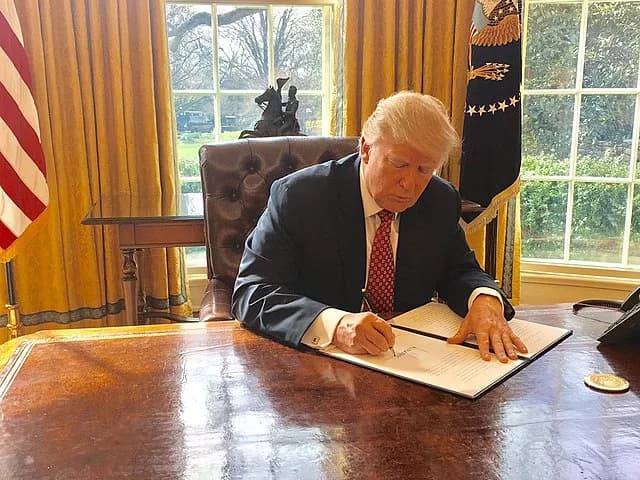
In the US, where the Trump administration rescheduling process is reshaping the entire playing field for cannabis-derived drug developers. This follows deeper changes within the FDA which Gavin believes presents a ‘unique window of time under this presidency,’ and an opportunity Avecho is poised to take.
In early 2026 the regulator moved to accept a single adequate and well-controlled trial, supported by confirmatory evidence, as the default basis for approval, stepping back from its long-standing insistence on two.
“My US reg team visited Australia a couple of months ago and said we need you in front of the FDA as fast as physically possible.”
Most notably, he argues that with cannabis being in Schedule I for so long, ‘universities and pharma’ haven’t been actively conducting research and clinical trials.
“Australia and Europe got big head starts,” he said, claiming Avecho is on course to become only the second pharmaceutical CBD approved after Epidiolex, ‘for a much, much bigger indication’.gger indication’.